About Slovenia
About Slovenia
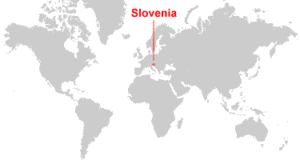
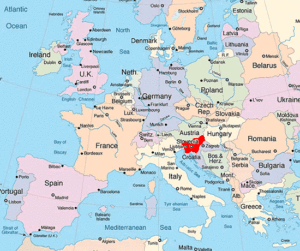
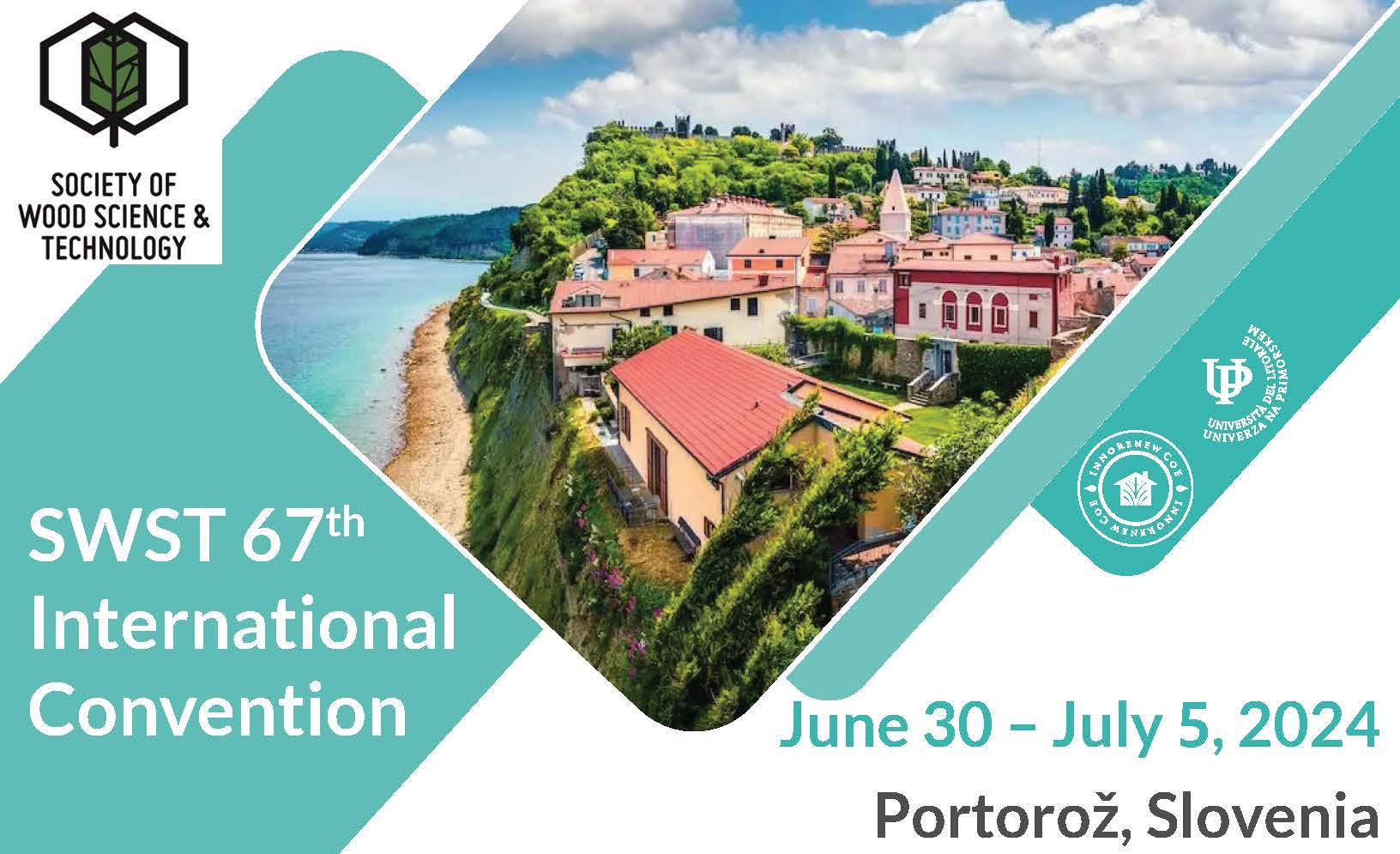
Slovenia, officially the Republic of Slovenia, is a country located in southern Central Europe at a crossroads of important European cultural and trade routes. It is the very first country to be declared a Green Destination, and lies in the heart of Europe, where the Alps, the Mediterranean, the Karst and the Pannonian Plain meet.
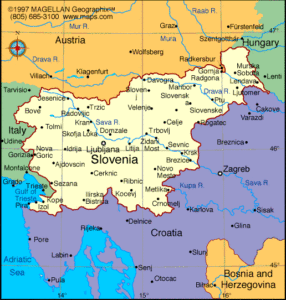
It is bordered by Italy to the west, Austria to the north, Hungary to the northeast, Croatia to the southeast, and the Adriatic Sea to the southwest. It covers 20,273 square kilometers (7,827 sq mi) and has a population of 2.07 million. One of the successor states of the former Yugoslavia, Slovenia is a parliamentary republic and a member of the United Nations, of the European Union, and of NATO. The capital and largest city is Ljubljana. The country, marked by a significant biological diversity, is one of the most water-rich in Europe, with a dense river network, a rich aquifer system, and significant karst underground watercourses. Over half of the territory is covered by forest.
Four major European geographic regions meet in Slovenia: the Alps, the Dinarides, the Pannonian Plain, and the Mediterranean. Although on the shore of the Adriatic Sea near the Mediterranean Sea, most of Slovenia is in the Black Sea drainage basin. The Alps—including the Julian Alps, the Kamnik-Savinja Alps and the Karawank chain, as well as the Pohorje massif—dominate Northern Slovenia along its long border with Austria. Slovenia’s Adriatic coastline stretches approximately 47 kilometres (29 mi) from Italy to Croatia.
Other places to visit in Slovenia:
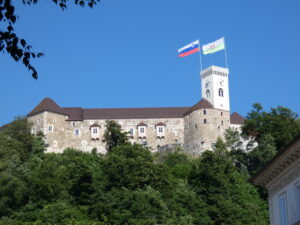
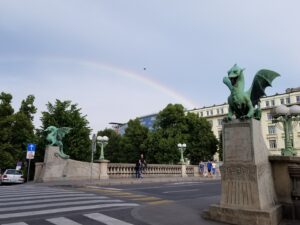 Ljubljana: Ljubljana is Slovenia’s capital and largest city. It’s known for its university population and green spaces, including expansive Tivoli Park. The curving Ljubljanica River, lined in outdoor cafes, divides the city’s old town from its commercial hub. Ljubljana has many museums, including the National Museum of Slovenia, displaying historic exhibitions, and the Museum of Modern Art, home to 20th-century Slovene paintings and sculptures. Ljubljana Castle offers the most beautiful views of Ljubljana. This sixteenth-century castle is easily accessible by foot or by taking a funicular. On the top, the café and a restaurant in the castle’s courtyard are a perfect place to rest and enjoy a cup of coffee or taste traditional food. Ljubljana Castle also hosts several permanent exhibitions and offers guided tours. Other things to see are Jože Plečnik’s famous Triple Bridge, Dragon Bridge, Prešernov trg Square with the Franciscan Church, Central Market, Cathedral Church of St. Nicholas, and enjoy a river cruise on the Ljubljanica River.
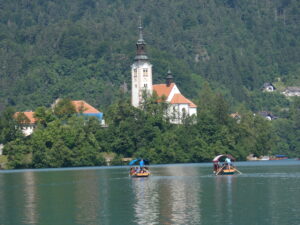 Lake Bled and Bled Castle: Lake Bled is one of the most visited attractions in Slovenia. The beautiful views of the lake and the small island it surrounds brings thousands of visitors every year. The best way to reach the island is taking pletna, a traditional gondola in the Bled area. Once on the island, visitors must walk up ninety-nine steps to reach the island’s church. It is considered good luck to ring the church’s bell when visiting the island.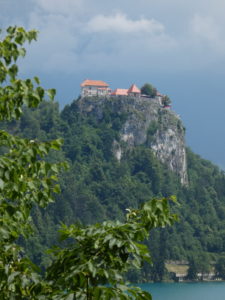
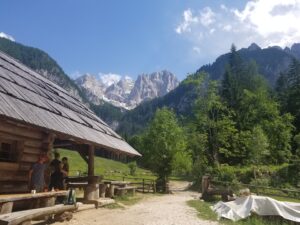
Škofja Loka: Considered the best preserved medieval city in the Slovenia, Skofja Loka is worth the short detour between Ljubljana and Lake Bled. Take the time to stroll in the old streets of the center and climb to the castle to visit its interesting museum.
- Mentions of the town date back to 973
- It is considered to be the best preserved medieval town center in Slovenia
- The name means bishop’s meadows
- The old center is located at the confluence of the Selska Sora and Poljanska rivers
- The castle use to have a town in the center. It was built to protect the town and later became the governor’s residence
- The town was destroyed in 1511 by the Idrija earthquake and rebuilt by the bishop
- It also has a deep history during world war II as a strategic location
Vintgar Gorge: Known as one of the most popular attractions in Slovenia with locals, the Vintgar Gorge sits outside of the city of Bled near the village of Podhom. The gorge is neatly bisected by the Radovna River, and there are bridges, paths, and viewing galleries that run the length of the area so that visitors can take in the spectacular views in a number of ways and explore the gorge to its full potential. The Vintgar Gorge or Bled Gorge is a 1.6-kilometer gorge in northwestern Slovenia in the municipalities of Gorje and Bled, four kilometers northwest of Bled. Carved by the Radovna River, it is the continuation of the Radovna Valley.
Kranj: The capital of the Slovenian Alps, where you stand with one foot in the city and the other one in nature. Kranj has always been the capital of the Slovenian Alps and is considered the cultural heart of Slovenia because of the greatest Slovenian poet France Prešeren. The special feature of the town is a river canyon in the town centre. Kranj is the oldest Slovenian settlement with 6,000 years of continuous settlement and it is located on a rock by the second largest canyon in Europe.
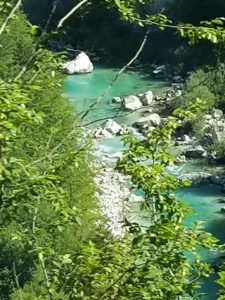
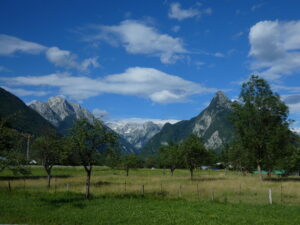 Soca River and Soca Valley: The river that runs through the valley of the same name has to be seen to be believed, as it is actually a stunning shade of brilliant turquoise. The valley is spectacular in its own right and features a wide range of local flora and fauna for visitors to explore, but if you want to do something more adventurous then there are a plethora of outdoor activities available in this natural playground. Rafting on the river is popular and a great way to take in the views as you sail by on the water or you can take to the skies with other extreme pursuits like paragliding. If you want something a little calmer, then you can ride horses along mountain trails, or hike in the surrounding areas and stop at one of the many picturesque spots in the valley for a picnic. Cycling and mountain biking are also becoming more and more popular in Slovenia is you fancy tackling the mountain terrain. The river runs past the towns of Bovec, Kobarid, Tolmin, Kanal ob Soči, Nova Gorica (where it is crossed by the Solkan Bridge), and Gorizia, entering the Adriatic Sea close to the town of Monfalcone. All of the towns have unique things to see. The river runs from the Alps to the Adriatic Sea. The Solkan Bridge, located near Nova Gorica, is a great place to view the turquoise Soča River and the beautiful Soča Valley. The bridge also holds the world record for the longest train bridge built solely out of stone. For the truly adventurous, bungee jumping off the bridge is the most unique way to admire the beauty of the Soča Valley.
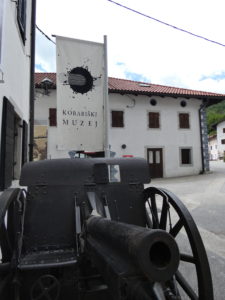 Kobarid: The Kobarid Museum was founded with the purpose of preserving, presenting, and researching the history of World War I in Slovenia. Most of the museum is dedicated to the Soča Front, the most important front on the Slovenian territory in the Great War. The rooms of the museum present visitors with photos documenting the horrors of the front, military charts, diaries and maps, and two large relief displays showing the front lines. Visitors can explore the museum on their own, or they can partake in one of the guided tours. Kobarid also has the Planika Dairy factory. Inside the factory is the Planika Dairy Museum, The Museum of Alpine Farming and Cheese Trade about the heritage of high mountain farming and the history and tradition of dairy production in the Upper Soča Valley in northern and north-western Slovenia. The Museum is conceived as a permanent exhibition entitled From Mountain to Planika, where this heritage of Alpine dairy farming and cheese trade in Posočje region is presented to the general public. The exhibition is accompanied by a documentary about this traditional craft. The Museum attracts about 9.000 visitors per year.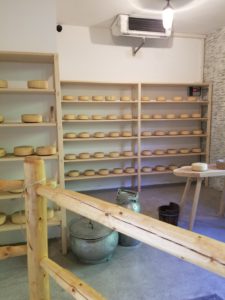
Franja Hospital: Served as Partisan Hospital during World War II. Located in the Pasica gorge, it was hidden from the enemy and saved the lives of many men and women. After the war, Franja became a museum and was open to visitors until a devastating flood in 2007. Luckily, the hospital was reconstructed, and the new hospital is almost an exact replica of the old hospital. Now, the fourteen cabins that form Franja Partisan Hospital are once again open to visitors.
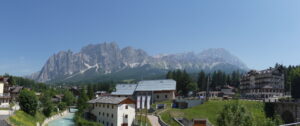 Julian Alps: The Julian Alps are a mountain range of the Southern Limestone Alps that stretch from northeastern Italy to Slovenia, where they rise to 2,864 m at Mount Triglav, the highest peak in Slovenia.
Lake Bohinj: Lake Bohinj, covering 318 hectares, is the largest permanent lake in Slovenia. It is located within the Bohinj Valley of the Julian Alps, in the northwestern Upper Carniola region, and part of Triglav National Park. It is an outdoor playground, with opportunities to go hiking, kayaking, paddle boarding, and swimming. Ride the Vogel cable car for amazing views of Triglav National Park and walk to Savica waterfall, Slovenia’s most popular waterfall.
Vršic Pass: Rising to over 1,500 meters, the pass is famed as the highest mountain pass in the Julian Alps in Slovenia and has a road that stretches all the way along the pass before dipping down to the Soca Valley named Russian Road that dates from the early twentieth century. The pass is well known as an ideal place for climbers who want to tackle one of the peaks in the surrounding areas, some of which rise to over 7,000 feet, as well as with hikers looking for shorter excursions. If you want to stay in the area then there are a range of charming mountain lodges to choose from that will allow you to soak in the local culture.
Triglav Mountain and National Park: The Triglav National Park, named after the country’s tallest mountain, is the only National Park in Slovenia. With beautiful views of the mountains, hills, lakes, rivers, and pastures, this park is a nature lover’s paradise. Aside from hiking, Triglav National Park offers great activities such as kayaking, rafting, skydiving, and parasailing.
Predjama Castle: Predjama Castle is a magnificent Renaissance castle. What makes this castle unique is the fact that it is built inside a cave. The castle used to be home to Erazem Lueger, a knight, who was known as the local Robin Hood. Available audio tours reveal the exciting life of Lueger and the history of the Predjama Castle. Tours of a secret tunnel, which served as a supply route when the castle was under siege, are also available when scheduled in advance.
Idrija: When still operating, Mercury Mine in Idrija was the second largest mercury mine in the world. Now, it is an excellent museum that takes visitors underground and introduces them to the life of Slovenian miners. The entrance to the museum is through Anthony’s Main Road, which was built in the sixteenth century and is one of the oldest mine shaft entrances in Europe. The historical importance of the Mercury Mine in Idrija is the reason that the mine was added to the UNESCO World Heritage List in 2012.
Postojna Caves: The Slovenian underground hides thousands of caves. Among those, twenty-two are open to the public, and Postojna Cave is the most visited. A 90-minute guided tour takes visitors through caverns, halls, and passages that were carved by the Pivka River. Inside the cave, there are beautiful karst formations, some of which are millions of years old. Several times a year concert events are set inside the cave, and as a part of Postojna Cave’s Christmas traditions, a nativity scene with live actors is set in December. Located just outside the town of Postojna is the Postojna Cave, a karst cave that takes the form of haunting bubbles and frothing rocks thanks to the natural limestone dissolved by the waters of the Pivka River from which the karst topography is created. The systems of caves are the second longest in Slovenia and highlights include a stalagmite named Brilliant which has also become the symbol of the cave. Other things not to miss are the underground railway the transports visitors deep into the bowels of the cave, the Concert Hall (actually a large cave known for its spectacular acoustics), and the Spaghetti Hall, so called because of the shape of the tunnels within.
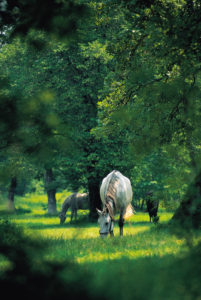 Lipica Stud Farm: Lipica Stud Farm has been breeding Lipizzaner horses since the sixteenth century. Once used by royals for their private stables, the farm is now open to visitors and allows them to admire this beautiful breed of horse. When visiting the Lipica Stud Farm, guests can stroll through the barns and join one of the farm’s guided tours. Three times a week the Classical Riding School performs, and guests can see the Lipizzaner horses in action.
Škocjan Caves: Visit the natural wonder of the Škocjan Caves and know that you are also in a UNESCO World Heritage Site as well as the highest hall of caves in the whole of Europe. The caves are located in a giant canyon that is positioned underground and you can cross from one side to the other via a bridge that allows you to understand the scale of this cave system. Visitors to the caves can explore the beautiful columns of stalactites and stalagmites, and you won’t be alone when you visit as there are plenty of creatures that lurk in the darkness including more than fifteen species of bats!
Ptuj: Ptuj is a town in northeastern Slovenia that is the seat of the Municipality of Ptuj. Ptuj, the oldest recorded city in Slovenia, has been inhabited since the late Stone Age and developed from a Roman military fort. Rising gently above a wide valley, Ptuj forms a symphony of red-tile roofs best viewed from across the Drava River. One of the oldest towns in Slovenia, Ptuj equals Ljubljana in terms of historical importance. The compact medieval core, with its cobblestone alleys rimmed by interesting facades, scattered with ornate monasteries and topped by a grand whitewashed castle, may be easily seen in a day.
Maribor: In the Lent area of Maribor, Slovenia’s second-largest city grows the oldest grape-producing vine in the world. Records show that the vine has been growing on the façade of an old house since the seventeenth century. The house is now a visitor’s center where guests can taste the best wines of the Maribor region. In honor of the oldest vine, The Old Vine Festival is organized every year. The festival starts in September with picking the grapes off the vine, and it ends with a big celebration on St. Martin’s Day when the must turns into wine.
Laško: If you feel like you might be in need of some rest and relaxation, or simply fancy a dip in a soothing warm bath, then the thermal waters of the town of Laško are not to be missed. The waters are said to have healing and rejuvenating properties and locals and visitors alike have flocked to the area to bathe for centuries.
Rogatec: If you want a slightly different museum experience then head outside and visit Rogatec Open-Air Museum that is based around a farm. The emphasis of the museum is to teach visitors about the local customs and folk traditions of Slovenia and there are arts and crafts activities and workshops that allow you to try your hand at bread baking, basket weaving, or even blacksmithing. There is also a nearby manor that dates from the Renaissance period that visitors can tour to learn all about Slovenian heritage and traditions from the 18th Century onwards.