2023 About Asheville


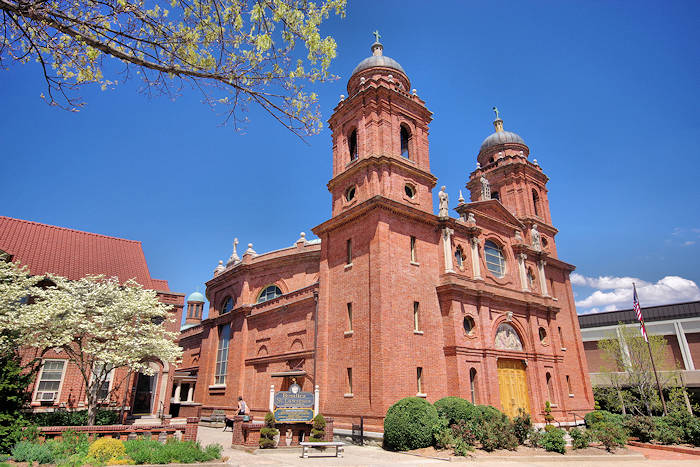
 Asheville is a city in western North Carolina’s Blue Ridge Mountains. It’s known for a vibrant arts scene and historic architecture, including the dome-topped Basilica of Saint Lawrence. The vast 19th-century Biltmore estate displays artwork by masters like Renoir. The Downtown Art District is filled with galleries and museums, and in the nearby River Arts District, former factory buildings house artists’ studios.
Blue Ridge Parkway – The Blue Ridge Parkway is a National Parkway and All-American Road in the United States, noted for its scenic beauty. The parkway, which is America’s longest linear park, runs for 469 miles through 29 Virginia and North Carolina counties, linking Shenandoah National Park to Great Smoky Mountains National Park. As the Parkway approaches Asheville, it offers breathtaking views of some of the highest peaks east of the Mississippi River and access to the area’s best hiking trails. The Parkway is easy to explore with no admission fee and frequent, paved overlooks. Asheville is home to the Blue Ridge Parkway Visitor Center. Pick up maps, ask questions, see interactive exhibits or purchase a souvenir. The Visitor Center is located at Blue Ridge Parkway Milepost 384 or at 195 Hemphill Knob Rd., Asheville.
River Arts District: 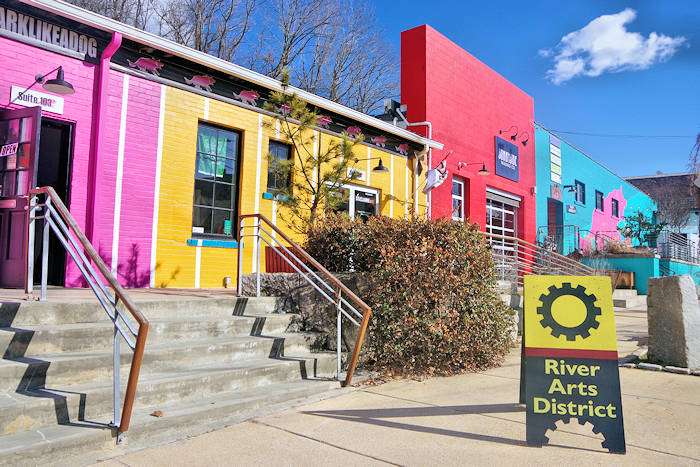 The River Arts District is made up of 22 buildings of historical or previous industrial purpose. A cotton mill, a tannery, and all sorts of other fascinating spaces by the French Broad River fill the district with an old-fashioned atmosphere, offset by the modernity of the art found, works created by over 200 different artists, ranging from paintings to ceramics and from photography to textiles.
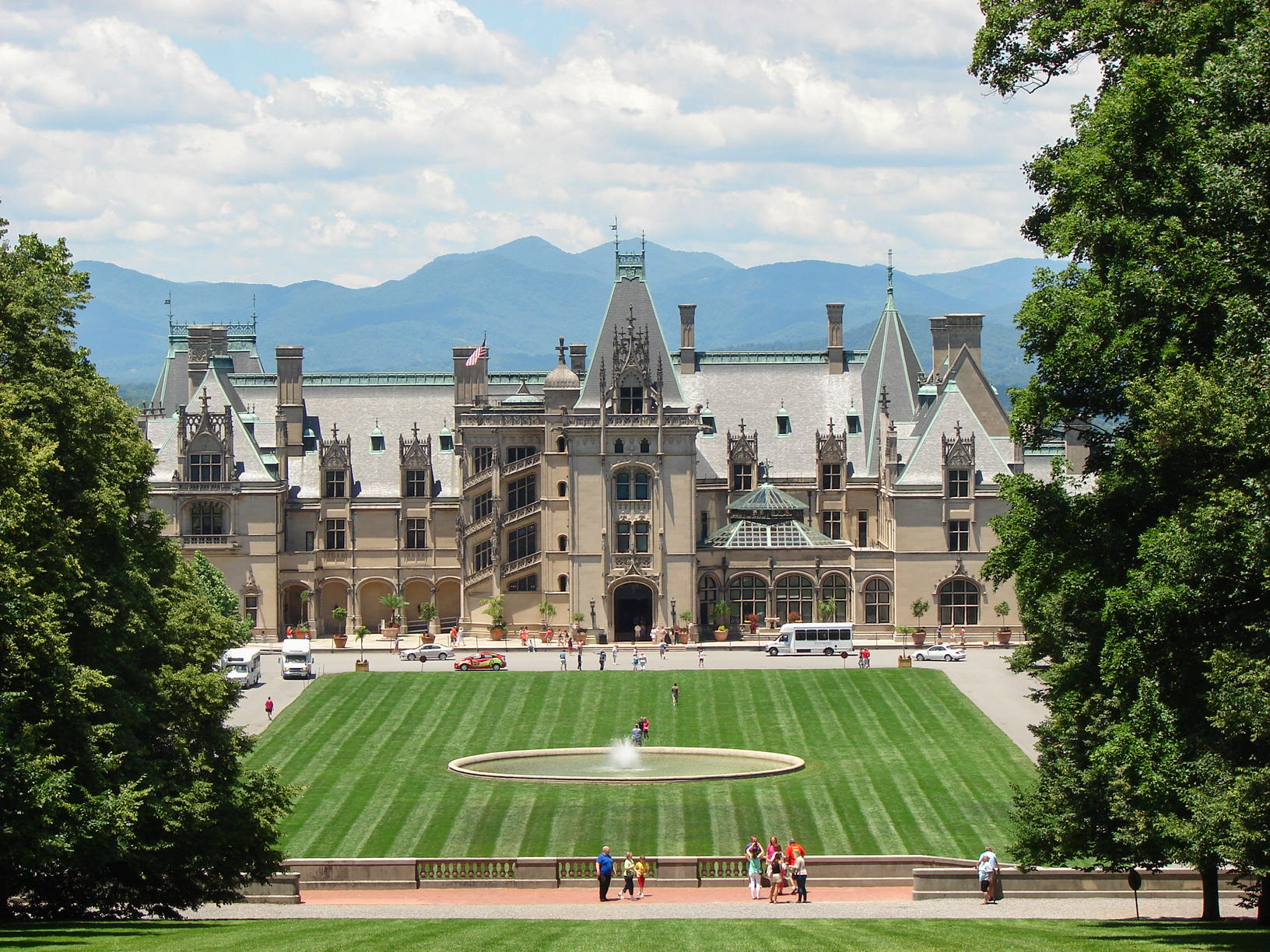 Biltmore Estate: The huge private estate was once the home of George Washington Vanderbilt and is still operated by the Vanderbilt family. It is cited as the biggest privately owned house not just in North Carolina, but in all of the country. The home features 250 rooms, including 35 bedrooms, 43 bathrooms and 65 fireplaces. In addition to the house, the 8,000-acre estate is home to forested trails and beautiful gardens, which include one of the country’s most complete collections of azaleas. Biltmore is also where you’ll find the nation’s most-visited winery. Purchase Biltmore Estate tickets online in advance, or purchase them at the Asheville Visitor Center for a $10 discount. Reservations are required to access the estate. Kids 9 and under get in free Children 9 & under receive free admission to Biltmore House (add Audio to their tour for $12-15), but every child requires an admission ticket to enter the estate with a parent or guardian. Parking and Estate Transportation: Free parking on the Estate.
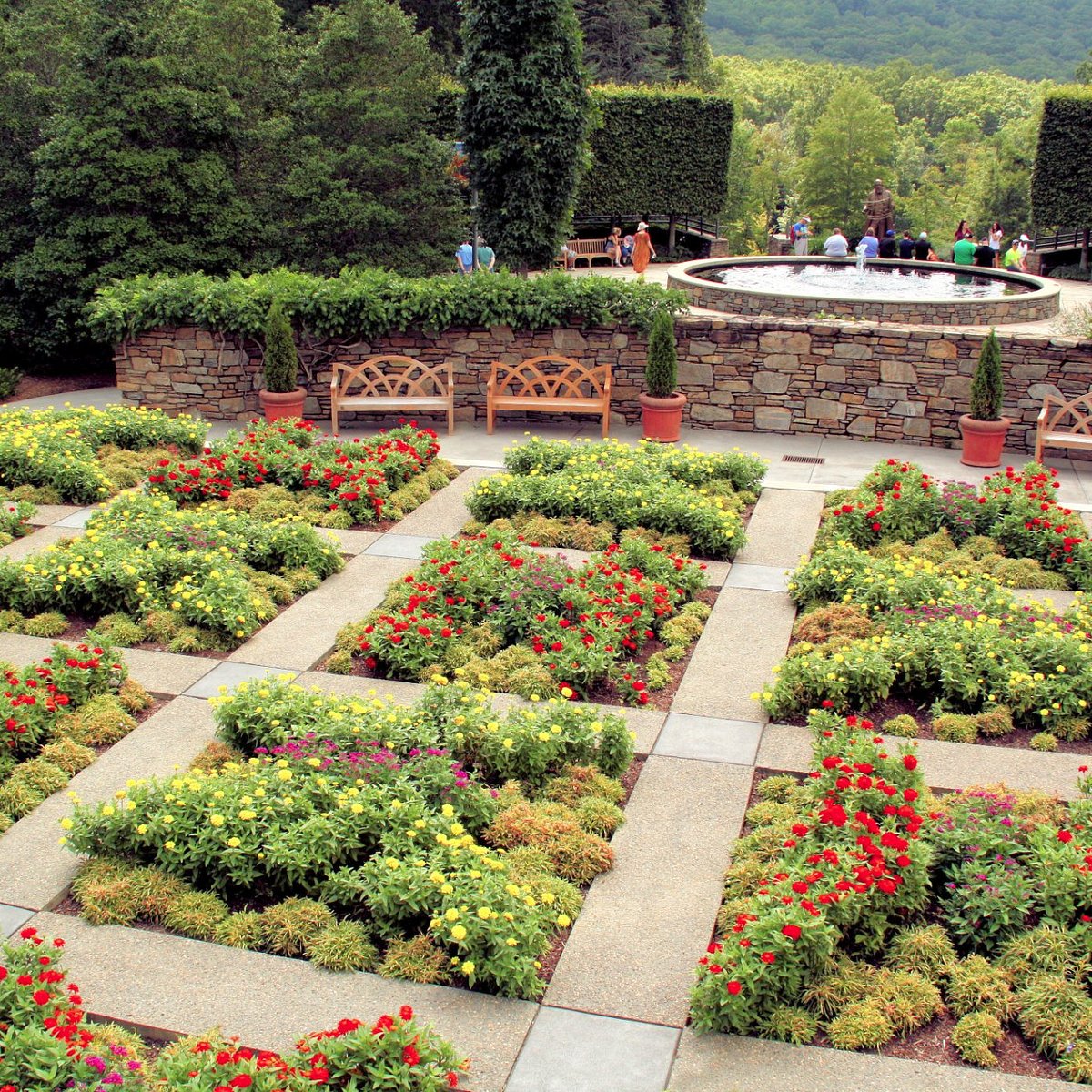 The North Carolina Arboretum is an arboretum and botanical garden located within the Bent Creek Experimental Forest of the Pisgah National Forest at 100 Frederick Law Olmsted Way, southwest of Asheville, North Carolina near the Blue Ridge Parkway. It is open daily except for Christmas Day.
 Folk Art Center: The Folk Art Center is a museum of Appalachian arts and crafts located at milepost 382 on the Blue Ridge Parkway near Asheville, North Carolina. The Southern Highland Craft Guild is headquartered at the Folk Art Center and located in east Asheville on the Blue Ridge Parkway, just a five-minute drive from downtown. The Center houses the finest in traditional and contemporary crafts of the Southern Appalachians and is home to three galleries, a museum, a library and the Guild’s oldest craft shop. As a bonus, starting in March every year, visitors may also enjoy live craft demonstrations daily in the Folk Art Center lobby.
Western North Carolina Nature Center: The Western North Carolina Nature Center is a 42-acre zoological park in Western North Carolina operated by the City of Asheville’s Parks and Recreation department. It connects people with the animals and plants of the Southern Appalachian Mountain region by inspiring appreciation, nurturing understanding, and advancing conservation of the region’s rich biodiversity. The WNC Nature Center is home to sixty species of wild and domestic animals and hundreds of species of plants, all representative of this unique bioregion, the Southern Appalachians.
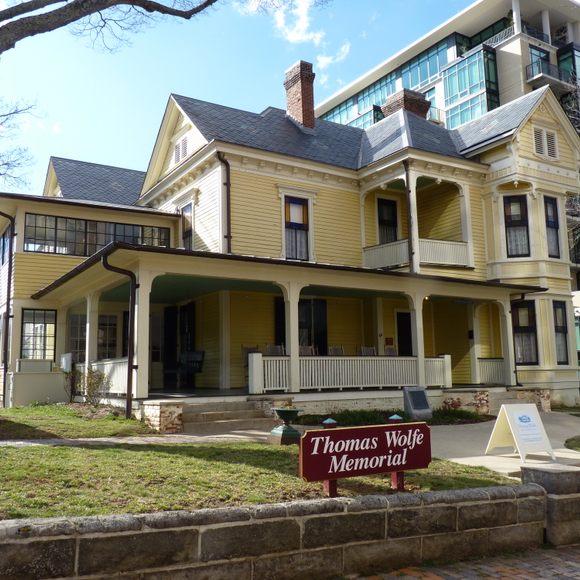 Thomas Wolfe Memorial: The Thomas Wolfe House, also known as the Thomas Wolfe Memorial, is a state historic site, historic house and museum located at 52 North Market Street in downtown Asheville, North Carolina. The American author Thomas Wolfe lived in the home during his boyhood.
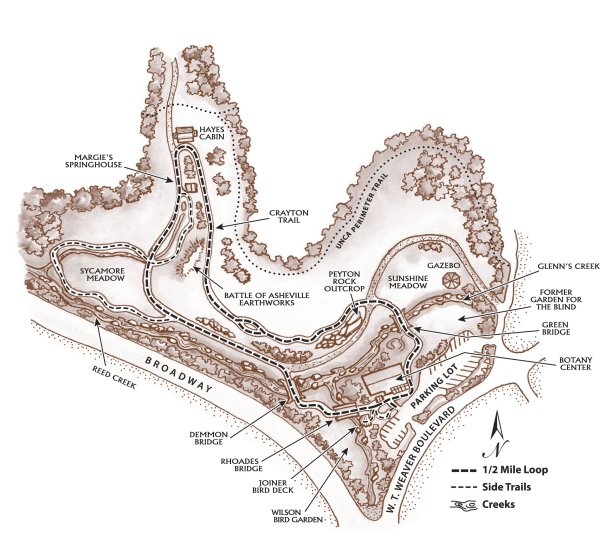 Use of native plants in home landscaping joins together both our native heritage and a healthy land ethic. Native plants have many inherent qualities and adaptive traits that make them aesthetically pleasing, practical, and ecologically valuable for landscaping. They contribute to the health, and even the restoration, of an ecosystem by placing fewer demands on resources.
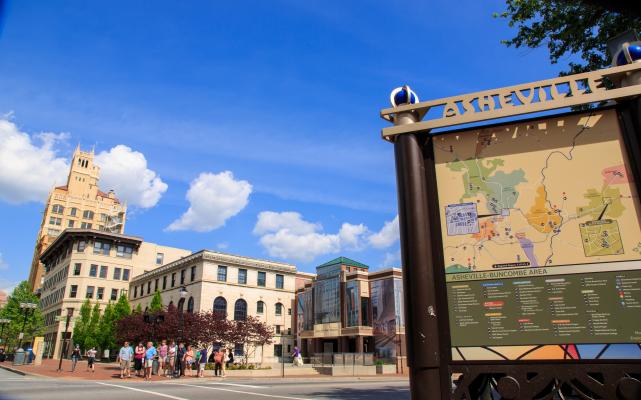 Asheville Urban Trail: A walking tour of the city’s history. In a casual two-hour amble about town, a person interested in exploring the city’s quirky and magical past, along with getting to know many of its larger-than-life historical characters, can follow a string of 30 sculptural trail stations directly into Asheville lore.
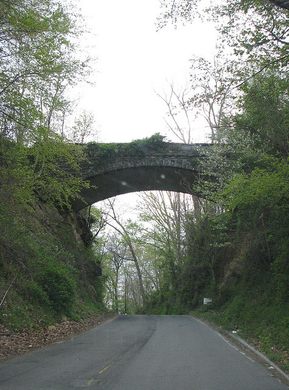 Helen’s Bridge: Writer Thomas Wolfe walked underHelen’s Bridge many times while growing up and included it in a passage in his book, Look Homeward,Angel, but it is perhaps the lore surrounding the bridge that draws the most attention. The arched bridge is made of quarried stone and was constructed in 1909 to provide access to the nearby Zealandia Mansion.The legend speaks of a woman named Helen who lived at or near the mansion with her beloved daughter. After Helen’s daughter died in a fire, the distraught mother hung herself from the bridge. Her anguished spirit is said to still appear when her name is called, although people who have attempted to raise her spirit have reported that their car will not start when they try to leave.

